
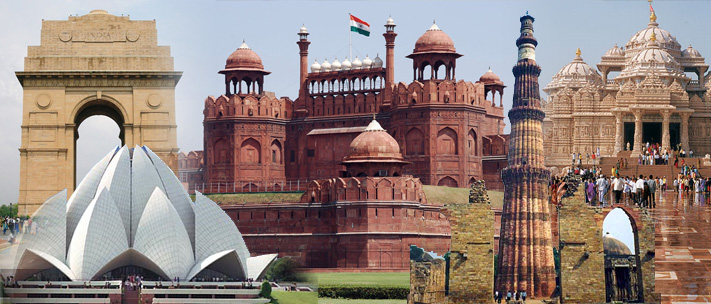
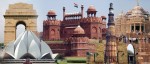
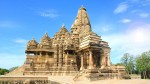
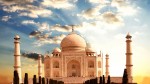
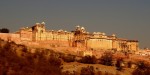
Explore Delhi, both old and new, tour the legendary Taj Mahal in Agra as well as the beautiful Pink City of Jaipur. Continue on to the incredible carved temples of Khajuraho and the beautifully colourful city of Varanasi, right on the banks of the holy Ganges.
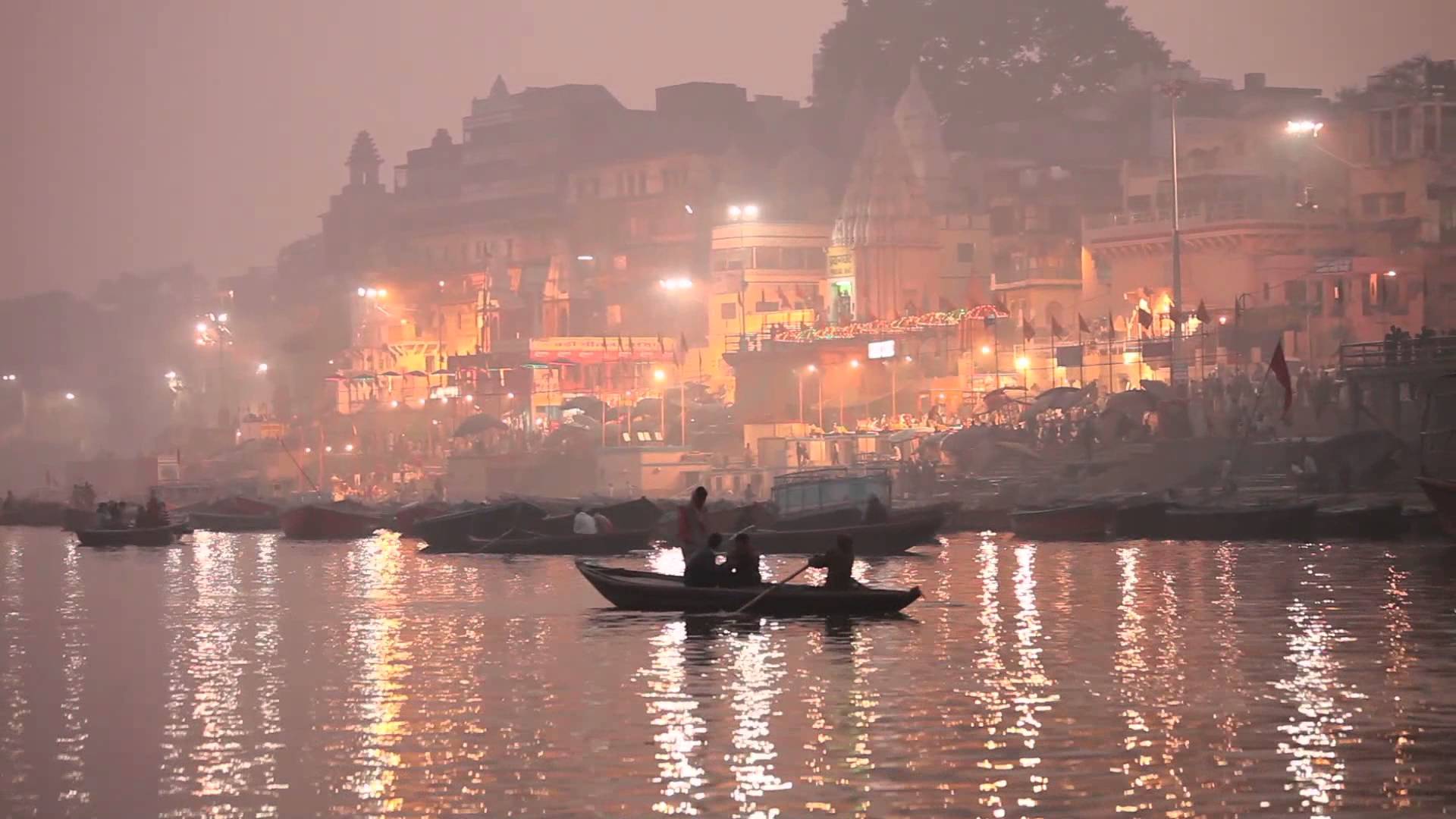
- Varanasi - the holiest city in India, Mother India site, local temples, mosque and the holy River Ganges
- Khajuraho - the stunning and erotic Chandela temples
- Orchha Temples - wonderful complex of brilliantly preserved 16th century temples
- Abhaneri - the iconic Chand Baori 9th century step well
- Bharatpur - rural India at its friendliest
- Keoladeo Ghana National Park - UNESCO heritage site with up to 300 migratory birds
- Fatehpur Sikri - an ancient abandoned Mughal city
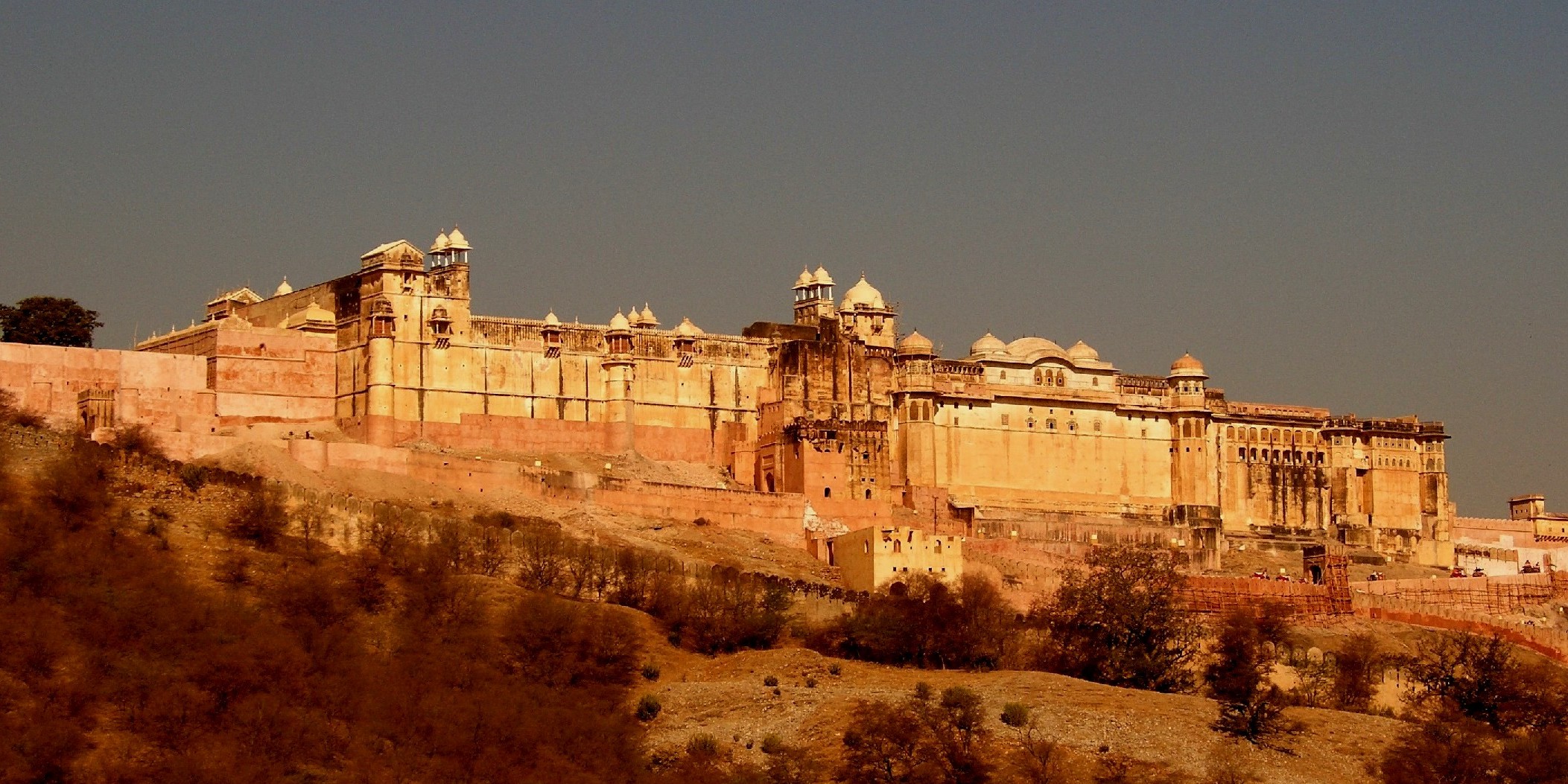
- The Pink City of Jaipur - the lofty Amber Fort, the very regal City Palace and the ancient observatory of Jantar Mantar
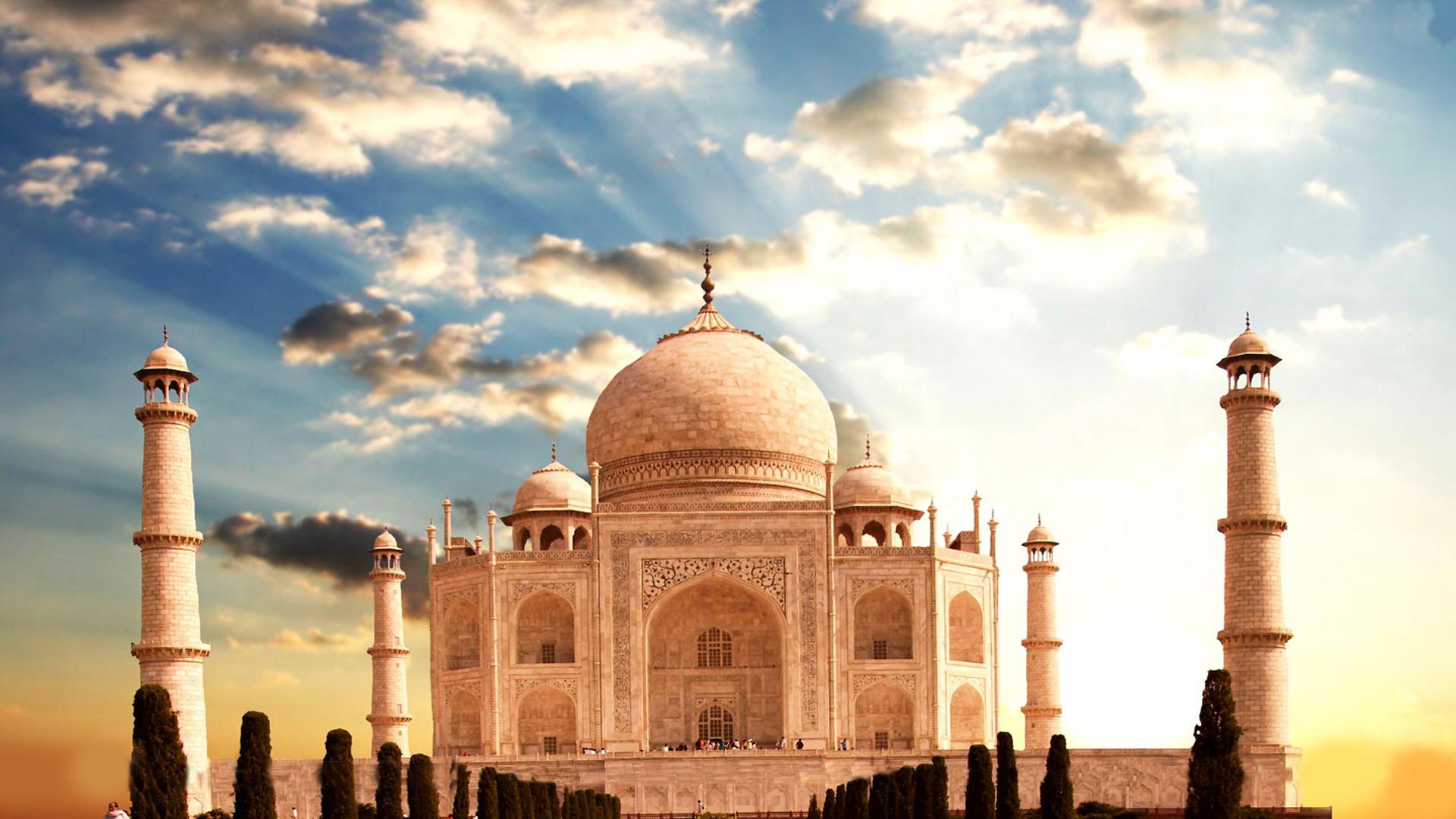
- The spectacular Taj Mahal - India's most famous monument in all its glory at sunset
- Old and New Delhi - Humayan's Tomb, India's largest mosque Jama Masjid and Gandhi's crematorium Raj Ghat. Red Fort
- 12 breakfasts, 2 dinners
- 11 nights - 3-4 star and heritage hotels
- 1 night overnight train (2nd class airconditioned, semi - enclosed cabin)
- Rickshaw ride in Delhi
- Travel by jeep to the Amber Fort in Jaipur
- Bicycle rickshaw ride in Keoladeo Ghana National Park
- Sunrise boat cruise on the holy Ganges -Varanasi
- Economy class flight - Khajuraho to Varanasi
- All relevant transfers and transportation
- Airport arrival and departure transfers on day 1 and day 13
- Touring of Delhi, Jaipur, Chand Baori Step Well, Agra, Orchha, Khajuraho and Varanasi
- Escorted by an English-speaking Indian tour guide (for groups of 6 or more)
- Services of English-speaking Indian specialist guides at some sites
Saturday. Upon arrival into Delhi, you'll be met at the airport and transferred to the hotel. The remainder of the day is free to relax or independently explore this bustling capital. Overnight - Delhi
After breakfast a welcome meeting will takeplace, where you'll meet the rest of the group and your tour guide. Entrance fees for your tour and a tip kitty will also be collected at this time. The tip kitty will cover any tipping required throughout the tour, apart from a tip for your tour guide.
Following the welcome meeting we set off for a sightseeing tour of Old Delhi. This 17th century walled city of Shahjahanabad was the erstwhile capital of Museum India, with city gates, narrow alleyways, bazaars, mosques and other historic monuments. Today Old Delhi is still a hive of activity, and the Chandhi Chowk bazaar is a colourful place to people watch. Sightseeing highlights of Old Delhi include:
- Humayan's Tomb
- The Red Fort - Commissioned by Shah Jahan, the red stone walls of this imposing fort stretch two kilometres and vary in height from 8 metres on the riverside to 33 metres on the city side. (till June 2017)
- Jama Masjid- The largest mosque in India and the final architectural extravagance of Shah Jahan.
- Raj Ghat - on the banks of the Yamuna River lies a marble memorial marking the spot where the great leader - Mahatma Gandhi was cremated after his assassination. New Delhi, in contrast to Old Delhi is a city of wide tree-lined streets, parks, fountains and roundabouts – designed by Edward Lutyens and built as the imperial capital of India by the British. This part of the city also houses many government buildings including Rashtrapati Bhavan – the official residence of the President of India which stands at the opposite end of the Rajpath from the India Gate. Sightseeing highlights of New Delhi include:
- Rajpath – an immensely broad boulevard flanked on either side by ornamental ponds. The Republic Day parade is held here every 26 January, drawing millions of people to this spectacle. It is at the eastern end of Rajpath we’ll see the India Gate.
- India Gate - The 42 metre high stone “Arch of Triumph”, erected in memory of Indian soldiers who died in the First World War. Tonight, we enjoy a Namaste Dinner at our hotel. Overnight - Delhi (B, D)
Delhi - Jaipur. Today we travel by road to the Pink City of Jaipur, capital of Rajasthan. The journey takes approximately 5 - 6 hours. Upon arrival, we’ll embark on some sightseeing taking in the Old City and City Palace. In 1876, Maharaja Ram Singh had the entire old city swathed in pink paint! Not as mad as it seems, as pink is a colour in India-associated with hospitality. The new paint job was completed in time for a regal visit by the Prince of Wales (later King Edward VII), a tradition that has been maintained, hence Jaipur’s name - the Pink City. En route to the City Palace, we’ll pass HawaMahal – the Palace of the Winds. Although little more than an impressive façade it is one of the city’s landmarks. This 5-storey building which overlooks the main street of the bustling old city is a stunning example of Rajput architecture. We explore the beautiful City Palace, a blend of Rajasthani and Mughal architecture. If the flag is flying, the Maharaja is in residence. A part of palace has been converted into a museum, which has an impressive collection of arts, carpets, enamel ware and weaponry. Just over the road from the City Palace is Jantar Mantar, an observatory of astronomy built by Jai Singh in 1728. Of the five observatories he built, this is the largest and best reserved. At first glance, Jantar Mantar resembles a sculpture park, though in fact, each construction has a specific scientific purpose. Some measure the positions of stars, whilst others calculate eclipses, the lunar calendar and simply the time of day. Even today, most of the constructions remain accurate!
Early-risers can opt for a morning hot air balloon ride over Jaipur, and sail over hilltop forts, regal palaces, sleepy villages, and stone carved temples. Then we travel beyond Jaipur to the stunning 16th century Amber Fort - a sprawling Rajput construction, perched on a hillside overlooks the dusty plains below. We’ll travel up to the palace by jeep. Arriving at the top we'll tour the fort’s well-preserved interior and grounds. Before returning to Jaipur we make a short visit of about 1 hour to a cotton trading/ tailor factory where we can watch a block printing and screen printing demonstration with traditional Rajasthani designs. Travelers looking for souvenirs can xplore the small bazaar offering regional souvenirs and other handicrafts in addition to cotton roducts including saris. Later this evening you can also opt to explore Johari Bazaar in the Old Pink City which is also great for shopping. Popular souvenirs include jootis (traditional Rajasthani curled shoes), Jaipur’s famous blue pottery, textiles and handicrafts around the City Palace or Hawa Mahal. Our vehicle will be available to drop you off at the market and its easy enough to grab a rickshaw on the way back. Overnight – Jaipur (B:2)
Jaipur - Abhaneri - Bharatpur. Departing Jaipur we stop in the village of Abhaneri to see Chand Baori, which is the largest and deepest step well in the world. This incredible well has a staggering 500 steps and is 13 stories deep. Then we gain an insight into local village life, visiting Adarsh Vidya Mandir local school (if open) where we operate our ‘Change for Children’ programme. If you have bought any educational items with you to hand out to children this would be the time to do so. You can also make a donation to the school, if you choose via our Change For Children project. Your guide will hand out envelopes to those interested. After hotel check in at Bharatpur and time to freshen up we visit the UNESCO World Heritage Site of Keoladeo Ghana National Park where we’ll enjoy a leisurely rickshaw ride through the park. Keoladeo’s 29 sq.km of wamps and lakes constitute one of the most important breeding and migratory areas in the world, where from October - March the some 200 plus local species are joined by a further 130 species from as far afield as the Russian Steppes and Central Asia. Overnight - Bharatpur (B, D)
Bharatpur - Agra. En route to Agra we visit Fatehpur Sikri, which was once a magnificent fortified city and the capital of the Mughal Empire from 1571 until 1585, until it was abandoned due to a lack of water. Fatehpur Sikri is well preserved and divided into four main parts: the women’s quarters; the emperor’s quarters; a quarter for princes and noblemen; and weapons housing. We see various temples, pavilions and public areas, gaining a fascinating insight into how life must have been for the inhabitants of this old city. Continuing on to Agra, we embark on a short tour of the Agra Fort. Behind its colossal walls are some of the finest Mughal buildings in India. Construction of the fort was commenced during the reign of Emperor Akbar and additions were made until the rule of his grandson Shah Jahan. During Akbar’s time, it was primarily a military fort though later the focus shifted and it partially became a palace. From the Agra Fort we make the short journey to visit the legendary Taj Mahal. Described as the most extravagant monument ever built for love, this fine example of Mughal architecture was built by Emperor Shah Jahan in memory of his beloved second wife-Mumtaz Mahal, who died tragically during childbirth. Built entirely of white marble, construction began in 1631, the year in which Mumtaz died, and was not completed until 1653. A staggering total of 20,000 workers contributed their skills, in the construction of this unique mausoleum. Overnight - Agra (B)
Agra - Orchha. Today we travel to Orchha. Once the ancient capital of the Bundelas, Orchha is now just a village. The attraction here is that the village is set among an impressive complex of well-preserved palaces and temples on the banks of the Betwa River. The Jehangir Mahal, a 17th century palace, is a stunning and rambling complex, offering great views of the countryside from its upper levels. We’ll explore some of the temples in Orchha today. Overnight – Orchha (B)
Orchha - Khajuraho. Travelling south-east we arrive in Khajuraho which is renowned for its magnificent Hindu and Jain temples which were built during the Chandela dynasty from 950-1050 AD. The intricate stone carved temples are famous for their erotic sculptures, although why they were built still remains a mystery. In fact the Chandelas appear to have forgotten about the temples soon after they were completed and it wasn't until they were rediscovered by the British that these exquisite masterpieces were fully appreciated in India. We will have plenty of time to see the various erotic acts from the famous Kama Sutra depicted on the monolithic Khajuraho temples for ourselves as we explore the site. Adding to the beauty, these amazing temples subtly change hue as the day progresses, passing from a warm pink at sunrise to white under the midday sun and back to pink at sunset. Overnight - Khajuraho (B)
Khajuraho - Varanasi. This morning we offer our Wildlife Safari bolt-on with a jeep safari in Panna NP. Forgoing a long drive, we fly east to Varanasi. Note: there are 2 scheduled flights from Khajuraho - Varanasi each day. Restricted by seat availability and class of travel our tour group will often be spread across both flights. As such you may be required to depart for Khajuraho airport at an hour early or wait in Varanasi airport for an hour upon arrival until all tour members arrive. Once our tour party has regrouped, together we transfer to our hotel. Varanasi is perhaps the holiest city in India, known as Benares or the city of Shiva, it is also one of the oldest cities on earth. Sitting on the banks of the holy River Ganges, Varanasi has been a centre of learning for more than 2000 years and it's an important Hindu pilgrimage site. Overnight - Varanasi (B)
Early this morning we take a boat trip along the holy Ganges River. Hindu pilgrims come to bathe in the holy waters of the Ganges at the ghats (river side steps), a ritual which washes away all of their sins. There are a long string of ghats that line the Western bank of the river and although most are used for bathing and cleansing the soul, there are several dedicated to cremation. Bodies are cremated at ‘burning’ ghats and the ashes are scattered into the water of the holy Ganges. Hindus believe that dying here ensures release from the cycle of rebirths and an instant admission to heaven. On our boat trip we'll see the ritual bathing and a host of other fascinating scenes, from people performing yoga, offering blessings and selling flowers, to people playing cricket and getting a shave. Later in the day we embark on a tour of India’s spiritual city. At sunset consider re-visiting the ghats for the evening pilgrimage, which is different from the dawn ritual. Overnight -Varanasi (B)
Varanasi - Delhi. A free day to independently explore more of Varanasi. During the day be sure to buy dinner and snacks for your train journey tonight. Early evening we transfer and board our 2nd class sleeper train bound for Delhi. Your cabin will comprise of 2 upper and 2 lower bunks (which are sat upon until retiring to bed), shared by you and other Indian travellers. Cabins are not self contained as such but they are separated from the carriage corridor by curtains that can be drawn at night. Luggage can be stored underneath the lower bunks or on the floor. The carriage is manned by an attendant who will distribute linen (included) and serve snacks at an additional cost. Instead of the overnight train you can opt to upgrade and return to Delhi by flight. Please ask at time of booking. Overnight - Overnight Train (B)
Breakfast upon arrival into Delhi and hotel check in. Today is a chance to further explore the capital at your leisure or a chance to pick up those last minute souvenirs. Overnight – Delhi (B)
Thursday. Hotel check out and included onward departure transfer to airport. Happy travels!(B)
Exclusions
N/A
N/A