
Kicking off in Beijing, soak up all the attractions of China’s historic capital before heading south to the Terracotta Warriors of Xi’an and the Giant Pandas of Chengdu. Cruise along the mighty Yangtze River, passing through the stunning Three Gorges and then explore Shanghai and ancient Suzhou!
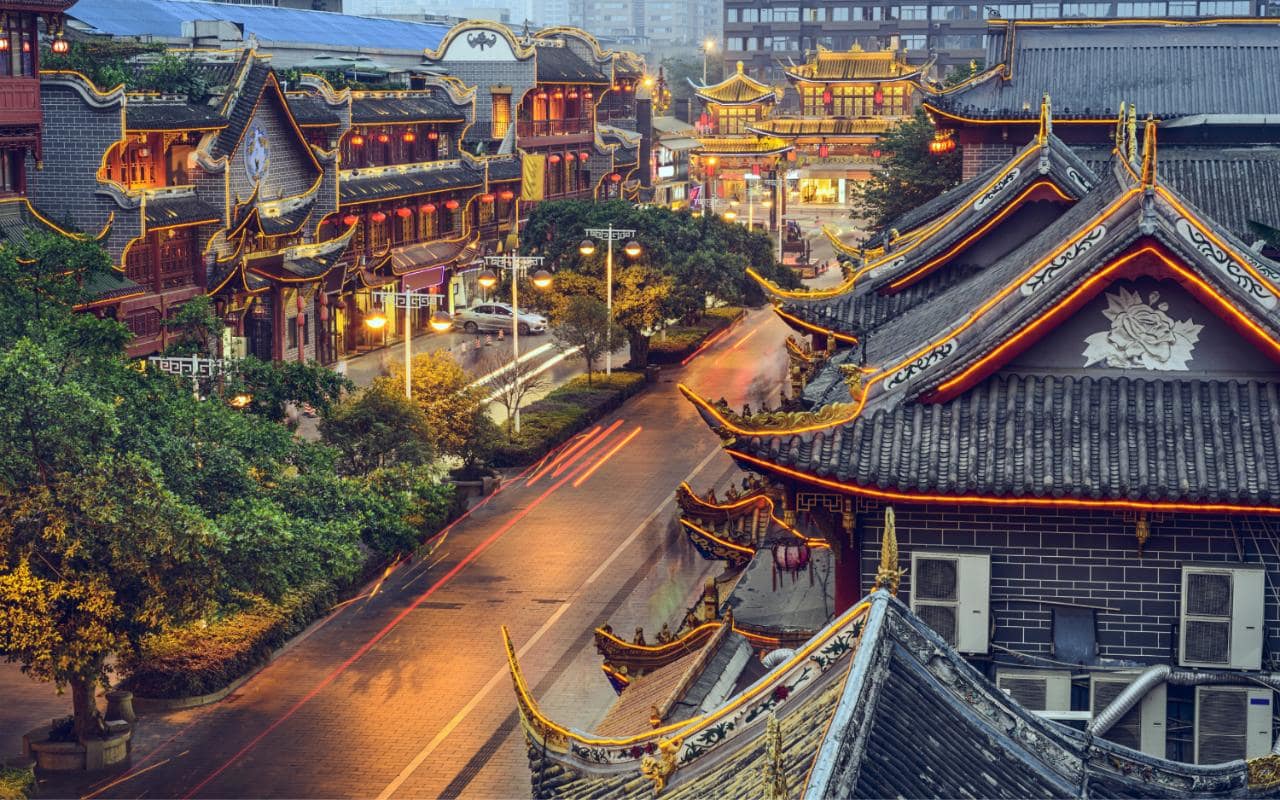
- Chengdu - Giant Panda Research Base - one of the best places in the world to see the Giant Panda and pioneers of panda research and conservation in China, Jinji Old Street and Wuhou Memorial Temple.
- Leshan - UNESCO-listed Giant Buddha
- Three Gorges/ Yangtze River cruise – cruise from Chongqing – Yichang. Qutangxia Gorge, Wuxia Gorge and Xiling Gorge
- Nanjing – Nanjing Memorial Hall, Fuzi Miao (Temple of Confucius), Mausoleum of Dr Sun Yatsen
- Beijing – Tiananmen Square, Forbidden City, Hutong areas of Beijing, Pearl markets, Jade Carving Factory, Chinese Acrobatic performance
- Badaling & Juyongguan - 2 UNESCO listed sections of Great Wall of China
- Xi’an – UNESCO listed Terracotta Warriors and Clay warrior workshop, Big Wild Goose Pagoda, City Wall and bike ride
- Suzhou – UNESCO listed gardens, Grand Canal and waterways, Silk factory, Lingering Garden
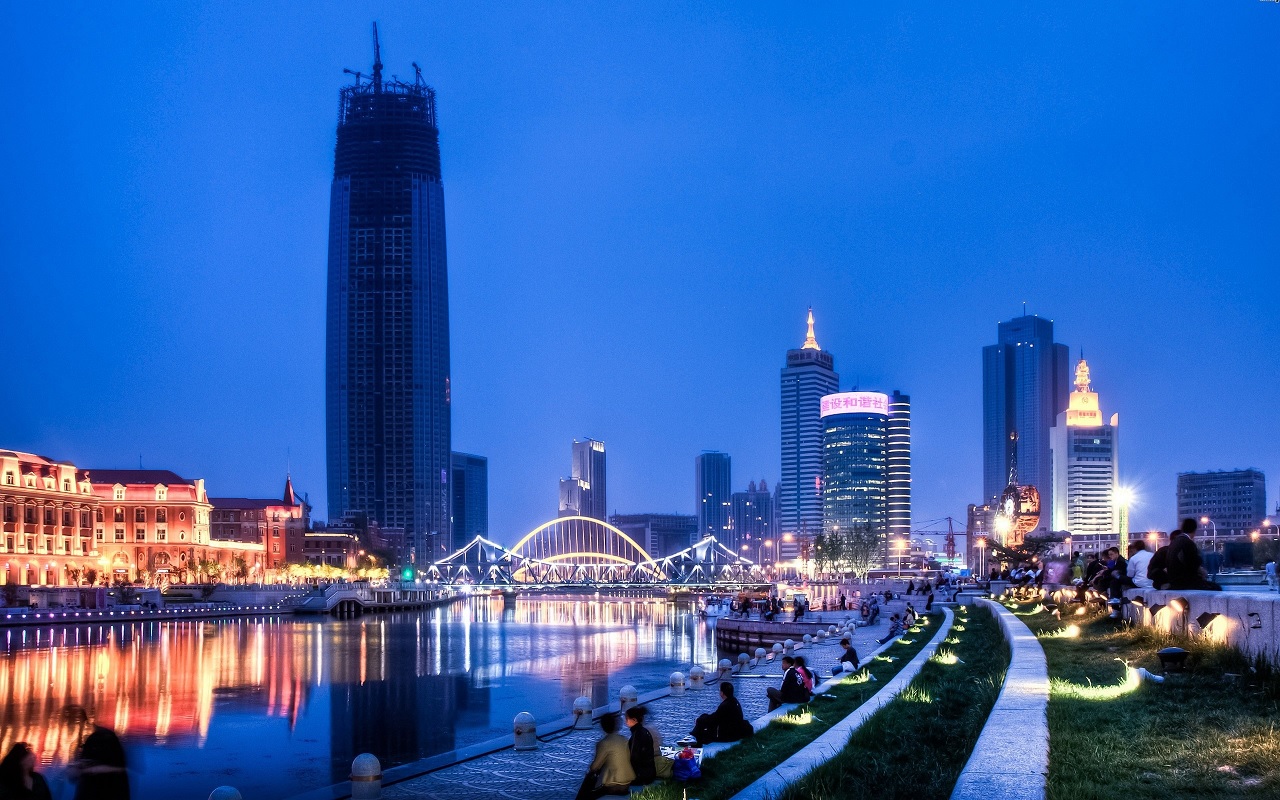
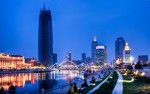
- Shanghai – free time. Visit the Plaza Tower, The Bund and Old Shanghai, Yuyuan Garden and Huang River
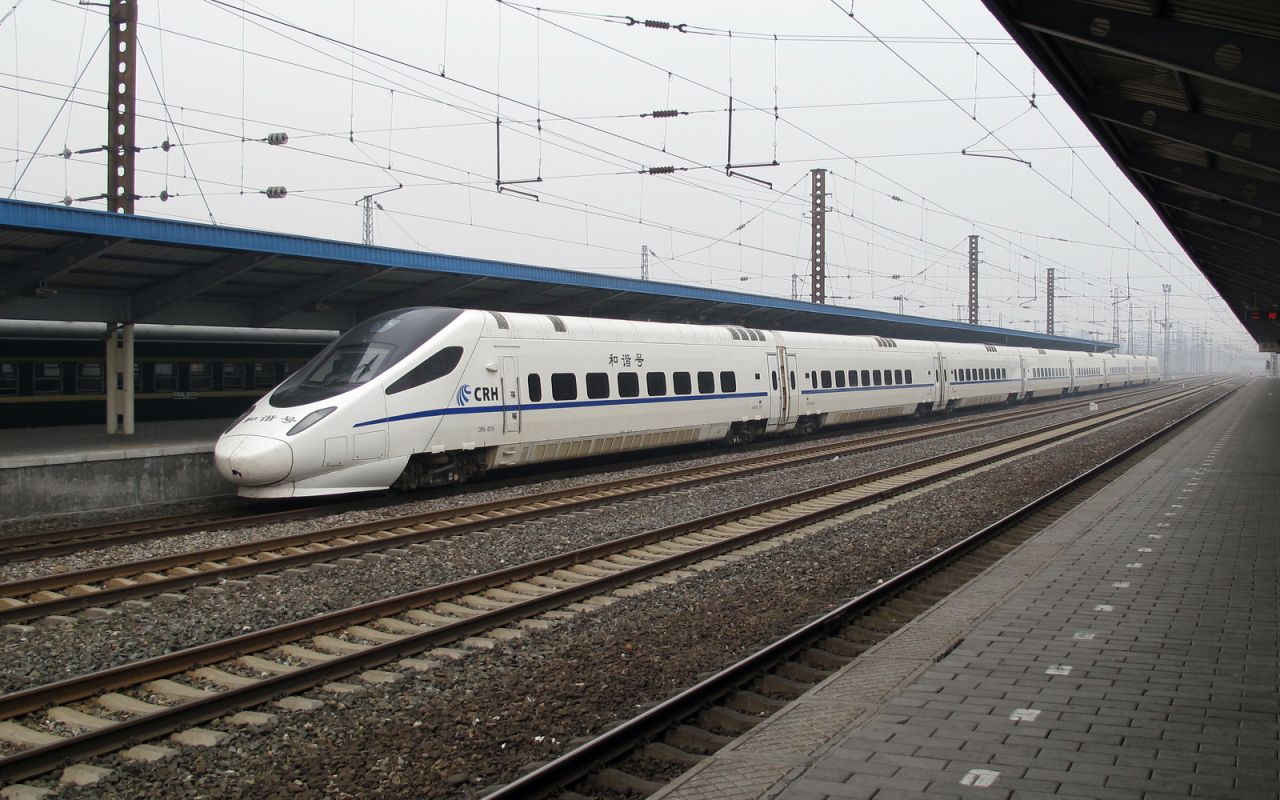
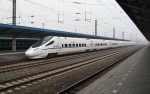
- 1 high speed train journey - Wuhan -Nanjing
- 15 breakfasts, 7 lunches, 5 dinners including a Traditional Chinese meal in Beijing
- 11 nights 3 - 4 star hotels, 3 nights 4 star Yangtze River Cruiser, 1 overnight train – soft sleeper cabin
- Chinese acrobatic performance
- Rickshaw through Beijing’s Hutongs
- Xi’an - bike ride on medieval City Wall
- Yangtze River cruise - Chongqing – Yichang via Three Gorges
- High speed train journey Yichang - Nanjing
- Suzhou - historic Grand Canal cruise
- Economy class flight - Xi’an - Chengdu
- Airport arrival and departure transfer day 1 and day 16
- Touring of Beijing, Badaling, Juyongguan, Xi’an, Nanjing, Chengdu and Suzhou
- Tour Guide escorted (for groups of 6 or more)
- English speaking specialist guides at local Sights
- All relevant transfers and transportation in private A/C vehicles
Saturday Beijing - Welcome to China and the start of your holiday! If arriving into Terminal 2, please turn right once you’ve passed customs to reach the pickup point. If arriving into Terminal 3, you will be met just outside of the restricted area. From the airport you will be transferred to our hotel. Overnight - Beijing
Beijing. This morning, we enjoy a Welcome Meeting before setting off to see some of Beijing. We embark on some guided sightseeing of the nation’s capital, starting with Tiananmen Square. Tiananmen Square partly framed by illustrious Chang-an Avenue is essentially the heart of Beijing. A patriotic vision of grandeur, Tiananmen Square is for the public and also home of the mausoleum of Chairman Mao Tse-tung and the striking Monument to the People’s Heroes. Mao’s gargantuan mausoleum is granite where since his death in 1976, he has lain in state in his crystal coffin. We’ll have a stroll on the square, under the watchful eye of the dutiful guards. Perhaps one of Beijing’s most famous sights is the Gate of Heavenly Peace. Up above the gate and looking out across to all his people, is a famous colour portrait of Chairman Mao Tse-tung.The Gate of Heavenly Peace is the main entry point into the Forbidden City. A vision in grandeur with its imperial yellow roofs and vermilion walls, the Forbidden City, once forbidden to all those except on imperial business until 1911, when the last emperor, Puyi, was turfed off his throne is a city within a city. Beijing was always a walled city but the Forbidden City, seat of the great emperors, was the innermost sanctum of the city. Built between 1406 and 1420, it served as the imperial palace for the Ming and Qing dynasties. We enjoy a guided walk through the city’s many temples, grand halls and courtyards. It is said that the 720,000 sq m lavishly constructed Forbidden City boasts 9999 rooms!Later we take a rickshaw ride through the Hutongs of Beijing, weaving through old back lanes, traditional courtyards and compact houses, gaining a fascinating snapshot of the city’s traditional way of life. This evening we enjoy an eye boggling Chinese acrobatic performance. Swinging ropes, juggling hoops, spinning plates and human pyramids are just a few tricks these show stoppers pull out followed by a Welcome Dinner of Peking Duck.Overnight - Beijing
After a free morning to further explore the city, we drive beyond Beijing to Badaling, where we can walk a section of the famous Great Wall. An enduring symbol of Chinese civilisation and genius, the UNESCO protected Great Wall of China was built as a defensive structure. The immense construction took place over a period of 2,000 years and followed different routes and building extensions as required. Snaking some 6700 kms across barren hills, deserts, mountains and plateaux, the now partially ruinous Great Wall stretches east to west in northern China. At one time perhaps nearly 9700 kms long, the wall was garrisoned by 1 million soldiers and featured over 1,000 fortified passes and 10,000 beacon towers. A little steep in sections, but the photo opportunities are worth a million dollars! This evening we spend the night at our basic hotel at the foot of the Great Wall at Juyongguan Pass. We rate our accommodation this evening as ‘basic’. Guest rooms are clean and offer en-suite facilities, though furnishings and amenities are outdated and somewhat tired. We use the Juyongguan Pass Hotel due to its exceptional location (with very few alternatives in the area) and believe that waking up by the foot of the Great Wall and having the opportunity to enjoy a leisurely walk along the wall, without the tourist masses, is the reward.Overnight - Great Wall
Juyongguan - Xi’an. We rise early this morning and head to the Great Wall at Juyongguan Pass for when it opens to beat the crowds.Surrounded by rugged mountains, Juyongguan Pass was an important military stronghold from the days of 770BC! This part of the Great Wall is in good condition and offers those who want it, a quite challenging walk to the top – but those willing to give it a go will be rewarded with magnificent views! This part of the wall has a number of Buddhist temples including the fascinating Cloud Platform which is famous for its Buddhist inscriptions and carvings. The ‘platform’ was originally the base for a number of Stupas. Later we visiting a Jade Carving Centre to learn about this ornamental rock and its importance in Chinese culture. After lunch we head back to Beijing. Free time is offered in the cavernous Pearl Market - an Aladdin's Cave of souvenirs, handbags and gadgets, before travelling by express soft sleeper train to Xi’an in Shaanxi Province.Overnight - Sleeper Train
Goose Pagoda Upon arrival into Xi'an we transfer to our hotel for breakfast and check in with time to freshen up. Today we visit the Big Wild Goose Pagoda, one of Xian’s most iconic landmarks, followed by the vibrant Muslim Quarter. Later we enjoy a leisurely bike ride atop the Xi’an City Wall. Dating back to 1370 the 12m-high walls are some of the few remaining urban fortifications still standing in China today and after extensive restorations the City Walls offer ample opportunities from which to explore Xi'an. Tonight, we offer our Tang Dynasty dinner and show. Check out our Tang Dynasty bolton for more details. Overnight - Xi'an
Xi’an - Chengdu. Most famous for the Terracotta Warriors, perhaps the find of the 20th century and only just usurped by the discovery of King Tut’s gold laden tomb in Egypt, Emperor Qin’s Terracotta Warriors comprise more than 7,000 life-sized soldiers which stand in military formation in excavated pits under the cover of a modern protective hanger. Made of local clay, no two faces are alike, each is said to be an individual portrait. Emperor Qin’s army of 2,200 year old terracotta warriors were discovered in 1974 by local farmers who happened to be digging a well. Previous emperors used to be buried with their slaves but slavery had been abolished. So, to make up for this, Qin had the warriors made to be buried near him to protect him in the afterlife. We visit a workshop where you’ll see modern-day crafts people producing terracotta warrior figurines before continuing on to the archaeological site itself before flying to Chengdu. Overnight - Chengdu
Driving to Leshan our morning is spent exploring the UNESCO-listed Great Buddha, which is carved into the red sandstone face of Lingyun Hill overlooking the confluence of the Min, Qingyi and Dadu rivers below it. We return to Chengdu and the remainder of the day is at leisure. Overnight – Chengdu
Wake up with a visit to the famous Chengdu Research Base of Giant Panda Breeding. First opened in 1987 with just six pandas, after years of successful breeding projects the population now stands at over 80. Visitors can learn all about a panda's development and see both baby and adults pandas as well as the smaller red pandas. Later we visit the Wenshu Monastery, built during the Qing Dynasty. The temple is a hidden gem with few tourists visiting and a stop must be made at the delightful teahouse located inside the temple grounds. The evening is spent at leisure. On most nights Sichuan Opera is performed at the Shufengyayun Theatre. Overnight – Chengdu
Chengdu - Chongqing - Yangtze River cruiser. Early today we transfer to Chongqing (approx 5 hours), the start point for our exciting Yangtze River cruise. Before boarding the cruise (if time permits) we can stroll along Chongqing’s People’s Square, in the city centre. Overnight Yangtze River Cruiser
Yangtze River Cruise. Good morning from the River Yangtze! At 6340km in length, the Yangtze is the 3rd longest river in the world, neatly dividing China into north and south, and wending its way through eight very different provinces. The Upper reaches incorporating the Three Gorges are possibly the most spectacular and it is this part of the Yangtze we’ll see. The Gorges are a breathtaking sight. The first gorge we pass through is the shortest and narrowest of the three; Qutangxia Gorge. Here, the dramatic 1200m limestone peaks are often shrouded in mist and the river shoots through the narrow entrance with great haste. We then disembark for 2 hours of sightseeing at Shibaozhai 'stone fortress' where you can explore the beautiful 12 floor fortress, laden with fascinating murals, artifacts, paintings and statues, and providing stunning views of the river and surrounding farm land. We also have the option today to visit Fengdu ‘Ghost City’. In the Chinese vision of the afterlife, the dead (or ghosts) must undergo three major tests to enter the netherworld. These tests are taken at three locations - Nothing To Be Done Bridge; Ghost Torturing Pass and the Tianzi (son of heaven) Palace. These three locations are among many attractions in the Ghost City. Day 2 of our cruise takes us through Wuxia Gorge, with zig zags revealing new scenery of lush green trees and rising mists at every turn, and giving us a chance to see the twelve peaks on the banks of the river described by legend as fairy spirits with the most impressive resembling a lady looking down at the boats in the river.Today we take an excursion to Shennong Stream. We transfer to a smaller ‘peapod’ boat (water levels dependant) to visit the amazingly beautiful and serene Shennong Lesser Gorge - a tributary of the main river with crystal clear water flowing freely. We may see monkeys, water birds and fish as we sail and we can gaze at intriguing caves and the mysterious ancient coffins of the Ba people, suspended on the cliffs. Along the banks of the stream see the ancient villages of the Tujia people, one of the local ethnic minorities. There is also the option of visiting White emperor City on this day. Overnight - Yangtze River Cruiser
Yichang - Nanjing. Disembarking from our cruise in Yichang at 1130. We take a high speed train bound for Nanjing departing at 1540 after lunch and reaching speeds of over 310km we arrive to Nanjing in just a little more than 5.5 hours at 2137. Hotel check in and evening free in Nanjing.Overnight - Nanjing
Nanjing. Spend the morning at leisure before we enjoy lunch and embark on our afternoon city sightseeing tour. Former capital of the Ming Dynasty and capital of Republican Zhina, from 1911 - 1949, Nanjing holds a rich history of both ancient and modern China. We isit the Fuzi Miao (Temple of Confucius) and the Memorial Hall of the Nanjing Massacre, which is a moving experience that charts the atrocities committed at this very site. Overnight - Nanjing
Nanjing - Suzhou. A short train journey East takes us to Suzhou in the Jiangsu rovince. A sort of oriental Venice, ancient Suzhou is interwoven by a series of striking anals and pretty waterways which feed a series of classical gardens, laid out here since the Song dynasty, thousand years ago. Suzhou sits very close to the Grand Canal. At 1800km, its the longest canal on earth and ranks alongside the Great Wall as China’s greatest engineering achievement. We enjoy a cruise on the Grand Canal, visit a silk workshop and explore the Lingering Garden. Overnight - Suzhou
Suzhou - Shanghai. An hour’s journey bring sues to bustling Shanghai. Arrive Shanghai And hotelcheck in. Just the mere mention of ‘Shanghai’ conjures up mystery, romance and general decadence. Pre – 1949, cosmopolitan Shanghai was a magnet for seekers of wealth, idle colonialists, explorers and the dispossessed. The city’s oddities were due to the unusual circumstances of the city’s existence. Written into the Treaty of Nanjing was the notion of extraterritoriality, which translated as foreign nationals not being bound by hinese law, but rather by the laws of their own consuls. Basically anything went. Until 949, foreigners dominated commerce, banking and industry, amassing huge fortunes and transforming the landscape of foreign concessionary sections of Shanghai. Everything went belly up in 1949, when Mao and the communists took to power and swept the good times and rock and roll away rather swiftly. A legacy of these heady times, is Shanghai’s Bund where on and around this waterfront promenade are a vast series of grandiose pre-1949 buildings. After four decades of austerity, economic reforms implemented by Deng Xiaoping, reawakened Shanghai. The remainder of the day is at leisure. Perhaps visit the Plaza tower, French Quarter, The Bund or the Old City. Overnight – Shanghai
Sunday Shanghai. Hotel check-out and included onward transfer to airport.
Exclusions
N/A
N/A